Weld Neck Flange vs Slip On Flange: Applications & Differences
When it comes to pipeline systems and industrial piping, flanges play a critical role in creating strong, reliable connections. Two of the most commonly used types of flanges in the industry are Weld Neck Flanges (WN Flange) and Slip-On Flanges (SO Flange). Each flange type has its own specific applications, advantages, and limitations, making them suitable for different environments and requirements. This article will compare Weld Neck and Slip-On flanges, helping you understand the key differences and determining when each is best used.
Weld Neck Flange (WN Flange) Overview
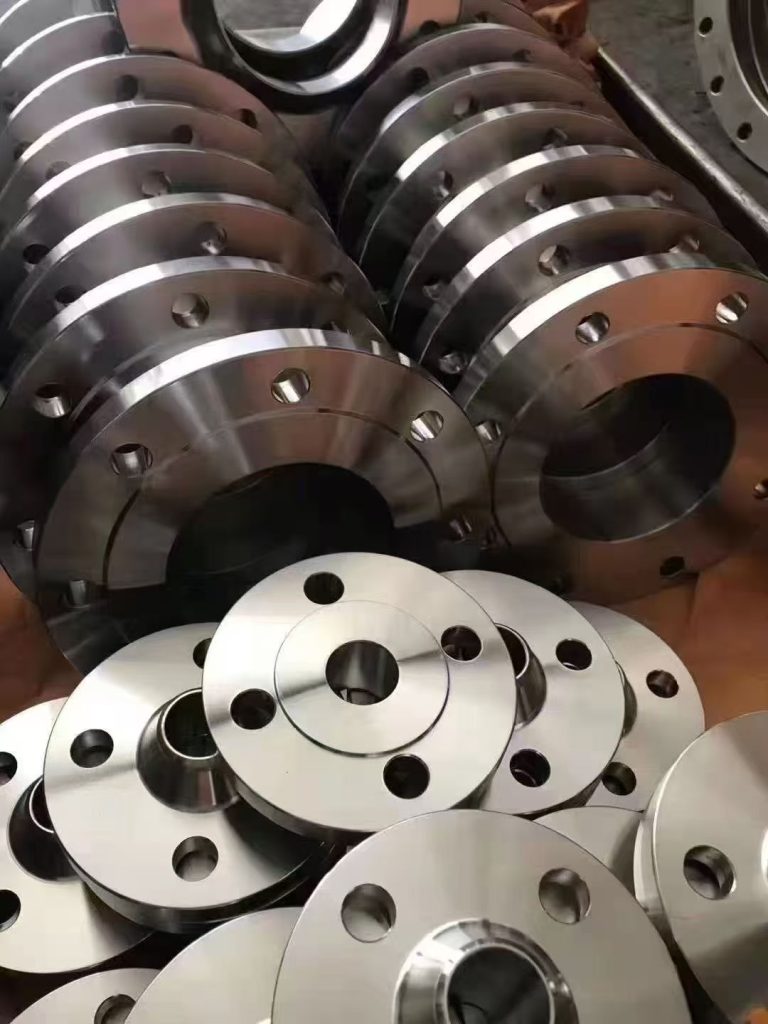
A Weld Neck Flange is a flange that features a long tapered neck that gradually transitions into the pipe. The primary purpose of the neck is to provide a smoother, stronger connection between the flange and the pipe. This design allows the Weld Neck Flange to handle high-pressure environments, extreme temperatures, and harsh operating conditions effectively.
Applications of Weld Neck Flanges
- High-Pressure Systems: Due to its ability to withstand high pressure and temperature variations, Weld Neck Flanges are commonly used in applications such as oil and gas pipelines, refineries, and chemical processing plants.
- Critical Piping Systems: This flange is often found in critical systems that require an increased level of safety and reliability, such as high-temperature steam lines and high-pressure pipelines.
- Customizable Sizes and Materials: Weld Neck Flanges can be custom-made to suit specific system needs, allowing flexibility in pipe size, material selection, and application conditions.
Advantages of Weld Neck Flanges
- Strength and Durability: The tapered neck design strengthens the connection, making it suitable for high-pressure applications.
- Stress Distribution: The long, gradual taper ensures that stress is distributed evenly, reducing the likelihood of leaks or failures.
- Versatile Material Options: Weld Neck Flanges are available in a wide range of materials, such as carbon steel, stainless steel, alloy steel, and others, making them ideal for various industrial environments.
Slip-On Flange (SO Flange) Overview
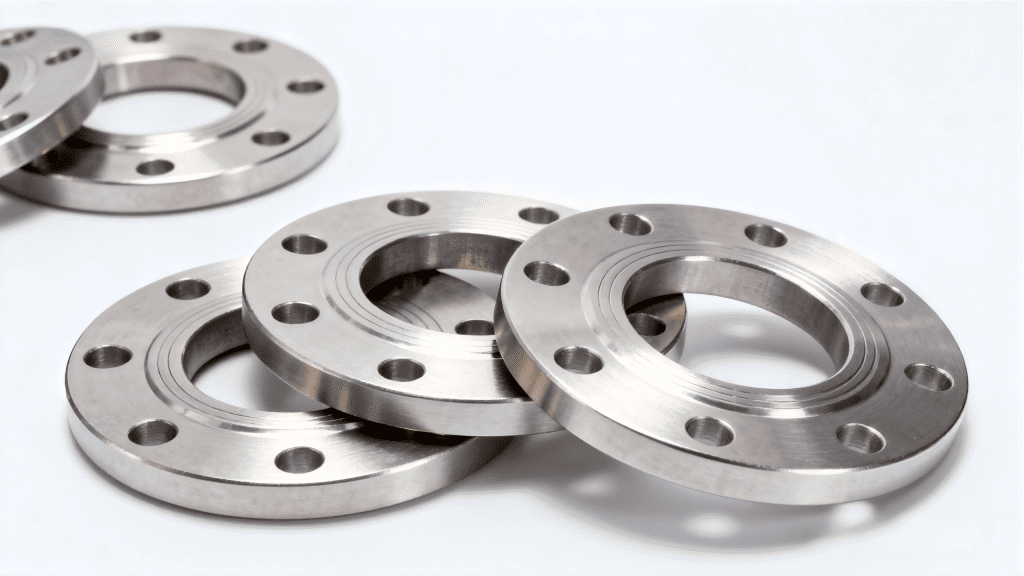
A Slip-On Flange is designed to simply slip over the pipe before being welded. Unlike the Weld Neck Flange, it doesn’t have a tapered neck, which results in a more straightforward and quicker installation process. These flanges are typically used in situations where ease of installation and cost-efficiency are priorities over extreme pressure resistance.
Applications of Slip-On Flanges
- Low to Medium Pressure Systems: Slip-On Flanges are well-suited for applications where pressure is moderate, such as water pipelines, HVAC systems, and low-pressure steam systems.
- Cost-Sensitive Applications: Due to their simpler design and manufacturing process, Slip-On Flanges are often used in applications where cost reduction is important without compromising on quality.
- General Piping Needs: They are commonly used in plumbing, oil pipelines, and general industrial applications where extreme pressure resistance isn’t required.
Advantages of Slip-On Flanges
- Ease of Installation: The design of the Slip-On Flange makes it easier and quicker to install, especially in tight spaces or for systems requiring frequent disassembly.
- Cost-Effectiveness: With simpler manufacturing and installation processes, Slip-On Flanges tend to be more affordable compared to Weld Neck Flanges, making them a cost-effective solution for less demanding applications.
- Flexibility in Sizing: Slip-On Flanges are available in a wide range of sizes and can be used with various pipe materials, although they are typically less versatile than Weld Neck Flanges in terms of pressure tolerance.
Key Differences Between Weld Neck Flange and Slip-On Flange
| Feature | Weld Neck Flange (WN) | Slip-On Flange (SO) |
|---|---|---|
| Design | Tapered neck that gradually integrates with the pipe | Straight flange that slips over the pipe |
| Pressure Tolerance | Higher, suitable for high-pressure systems | Lower, typically used in medium to low-pressure systems |
| Cost | More expensive due to design complexity | More cost-effective due to simpler design |
| Applications | High-pressure, critical systems, custom applications | General, low to medium pressure applications |
| Installation | Requires precise alignment and welding | Easier and quicker installation |
| Stress Distribution | Better stress distribution due to tapered design | Less effective in distributing stress |
| Material Choices | Available in a wide range of materials | Limited material selection compared to WN Flanges |
Which Flange to Choose for Your Project?
- If you’re working in high-pressure, high-temperature systems such as oil pipelines, power plants, or chemical plants, a Weld Neck Flange is typically the better option due to its ability to handle extreme conditions.
- On the other hand, for projects where cost is a concern or the pressure is relatively moderate, a Slip-On Flange is a more practical solution. It is ideal for general piping systems, especially in industries like HVAC, water treatment, and general manufacturing.
Conclusion
Both Weld Neck Flanges and Slip-On Flanges are integral components in pipeline construction, offering different benefits suited to varying application requirements. Understanding the applications, advantages, and key differences between these flanges will help you make a more informed decision when selecting the right flange for your project.
As a leading pipeline flange manufacturer, we offer a wide range of high-quality Weld Neck and Slip-On Flanges, tailored to meet the needs of any project, whether high-pressure or cost-sensitive.
For more information on our products or to request a quote, visit us at www.gs-pipeline.com