
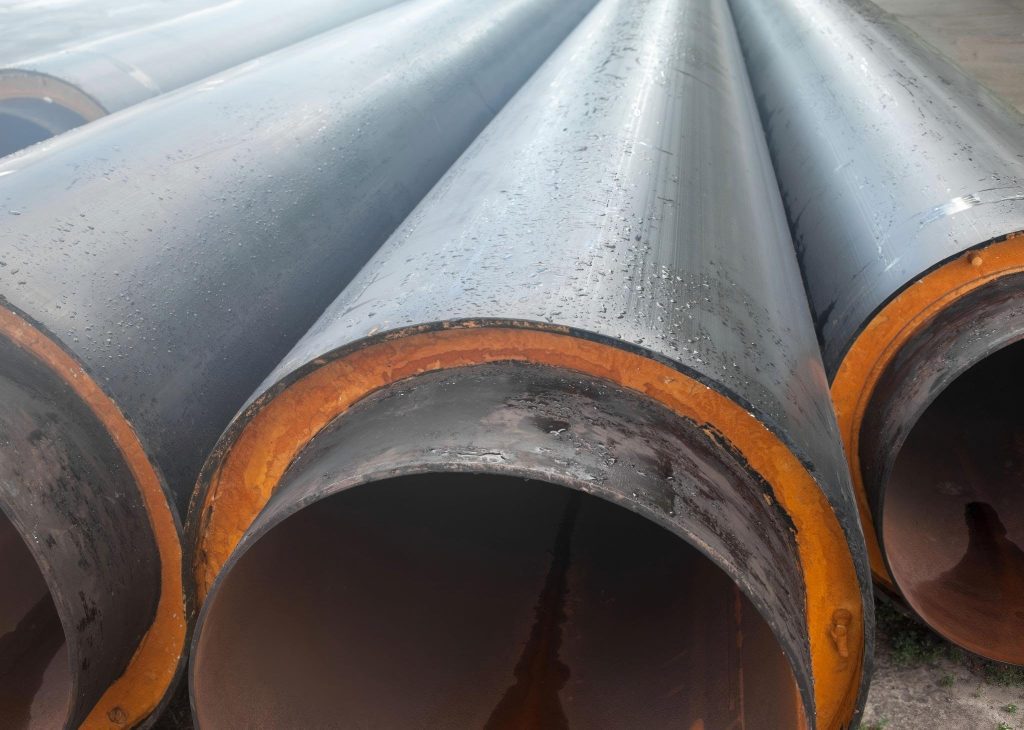
API 5L Pipe Grades B, X42, X52, X60, X65: Selection Guide
In large-scale industrial piping networks, choosing the correct line pipe grade is a balance between safety, structural integrity, and cost efficiency.
The API 5L specification, regulated by the American Petroleum Institute, governs seamless and welded steel line pipes used across the oil, gas, petrochemical, and water transportation industries.
Selecting the wrong grade can lead to premature material failure under high pressure or unnecessary spending on over-engineered materials. This guide breaks down the core differences between the most widely specified API 5L pipe grades—Grade B, X42, X52, X60, and X65—to help you determine the optimal choice for your specific project environment.
1. Decoding API 5L Nomenclature: What Do the Numbers Mean?
The naming convention of API 5L pipeline steel directly reflects its mechanical performance.
Grade B
Grade B is the baseline carbon steel line pipe grade, featuring a minimum yield strength of:
245\ \text{MPa}\ (35,500\ \text{psi})
The “X” Grades
The letter “X” followed by a number indicates the minimum yield strength of the steel in kilopounds per square inch (ksi).
For example:
X42 = Minimum Yield Strength of 42,000 psi
X52 = Minimum Yield Strength of 52,000 psi
X60 = Minimum Yield Strength of 60,000 psi
X65 = Minimum Yield Strength of 65,000 psi
As the grade increases, steel manufacturers employ stricter alloy design, thermo-mechanical rolling, and heat-treatment processes to achieve higher strength while minimizing wall thickness requirements.
2. Technical Comparison Table: Mechanical Properties & Pressure Thresholds
To provide a quick reference for engineers and procurement specialists, the table below compares the most common API 5L grades.
| API 5L Grade | Minimum Yield Strength | Minimum Tensile Strength | Typical Pressure Environment | Primary Engineering Applications |
| Grade B | 245 MPa (35.5 ksi) | 415 MPa (60.2 ksi) | Low to Medium (≤ 2.5 MPa) | Water pipelines, utility systems, municipal gas networks |
| X42 | 290 MPa (42.1 ksi) | 415 MPa (60.2 ksi) | Medium (2.5–5.0 MPa) | Regional petroleum transmission, refinery piping |
| X52 | 360 MPa (52.2 ksi) | 460 MPa (66.7 ksi) | Medium to High (5.0–10.0 MPa) | Long-distance oil & gas transmission lines |
| X60 | 415 MPa (60.2 ksi) | 520 MPa (75.4 ksi) | High (10.0–12.0 MPa) | High-pressure cross-country pipelines |
| X65 | 450 MPa (65.3 ksi) | 535 MPa (77.6 ksi) | High to Ultra-High (≥ 12.0 MPa) | Offshore pipelines, deepwater projects, severe environments |
3. Deep Dive: Selecting the Right Grade for Your Engineering Scenario
API 5L Grade B: The Low-Pressure Utility Workhorse
Grade B remains one of the most economical and widely used carbon steel pipe grades.
Key Advantages
Excellent weldability
Low material cost
Easy fabrication and installation
Widely available globally
Typical Applications
Municipal water transmission
Utility piping systems
Structural piping
Low-pressure natural gas distribution
Because Grade B possesses lower yield strength, thicker walls are generally required for elevated pressure service, resulting in increased weight and transportation costs.
API 5L X42 & X52: The Mid-Range Transmission Standards
For regional and national pipeline infrastructure, X42 and X52 are often the preferred choices.
API 5L X42
X42 serves as a bridge between utility-grade piping and high-performance transmission systems.
Common applications include:
Regional oil transmission
Refinery interconnecting lines
Petrochemical utility systems
API 5L X52
X52 is among the most widely specified grades worldwide.
Benefits include:
Higher pressure capability
Reduced wall thickness requirements
Lower pipeline weight
Improved transportation economics
Typical applications:
Onshore oil gathering systems
Natural gas transmission pipelines
Long-distance cross-country pipelines
Industrial process facilities
API 5L X60 & X65: High-Pressure and Severe-Service Specialists
Large-scale infrastructure and offshore developments frequently rely on X60 and X65 grades.
API 5L X60
X60 offers an excellent balance between strength, toughness, and cost.
It is commonly selected for:
High-pressure gas transmission
Cross-country energy infrastructure
Large industrial processing facilities
The higher strength enables operators to transport greater volumes while maintaining safe operating conditions.
API 5L X65
X65 provides superior yield strength and fracture toughness for the most demanding projects.
Typical applications include:
Offshore oil and gas production
Deepwater subsea pipelines
Arctic and alpine environments
Seismic and geologically active regions
The enhanced mechanical properties help pipelines withstand:
External loading
Ground movement
Thermal cycling
High operating pressure
4. Crucial Procurement Factors: PSL1 vs. PSL2 and Sour Service
Choosing the correct API 5L grade is only part of the procurement process.
Engineers must also specify product specification levels and service conditions.
PSL1 vs. PSL2
PSL1
PSL1 represents the standard quality level.
Characteristics include:
Basic chemical requirements
Standard mechanical testing
No mandatory impact testing
Suitable for general applications
PSL2
PSL2 introduces significantly stricter quality controls.
Key requirements:
Tighter chemical composition limits
Lower carbon content restrictions
Mandatory Charpy V-notch impact testing
Enhanced traceability
Additional non-destructive testing requirements
For high-pressure transmission projects using X60 and X65 grades, PSL2 is frequently specified and often required by project standards.
Sour Service Compliance (NACE MR0175 / ISO 15156)
Pipelines transporting fluids containing high levels of hydrogen sulfide (H₂S) face additional challenges.
Hydrogen sulfide exposure can cause:
Hydrogen-Induced Cracking (HIC)
Sulfide Stress Cracking (SSC)
Reduced service life
For these environments, engineers should specify:
Sour-service API 5L pipes
Controlled steel cleanliness
Calcium-treated steel
Enhanced inclusion shape control
Additional HIC and SSC testing
Common designations include:
X52S
X60S
X65S
These grades are specifically manufactured for corrosive sour-service environments.
5. Recommended Grade Selection Matrix
| Project Type | Recommended Grade |
| Municipal Water Systems | Grade B |
| Utility Gas Distribution | Grade B / X42 |
| Refinery Utility Networks | X42 |
| Oil Gathering Lines | X52 |
| Long-Distance Gas Pipelines | X52 / X60 |
| Cross-Country Transmission | X60 |
| Offshore Platforms | X65 |
| Deepwater Pipelines | X65 PSL2 |
| Sour Service Applications | X52S / X60S / X65S |
Conclusion: Partner with a Reliable Carbon Steel Pipe Supplier
Selecting the correct API 5L pipe grade is a critical factor in achieving long-term pipeline reliability, regulatory compliance, and operational safety.
Grade B and X42 are ideal for low-to-medium pressure applications.
X52 remains the industry standard for many long-distance transmission systems.
X60 and X65 provide the high-strength performance required for demanding infrastructure and offshore developments.
To ensure compliance with project specifications, always source materials from a qualified carbon steel pipe supplier capable of providing complete material traceability and certified inspection documentation.
Documentation to Request
EN 10204 3.1 Mill Test Certificate (MTC)
EN 10204 3.2 Certification (when required)
Chemical Composition Reports
Mechanical Test Reports
Hydrostatic Test Records
NDT Inspection Reports
HIC/SSC Test Reports (for sour service)
Need assistance selecting the optimal API 5L pipe grade? Contact our technical sales team for expert guidance, material recommendations, and a fully compliant quotation tailored to your project requirements.