
Introduction
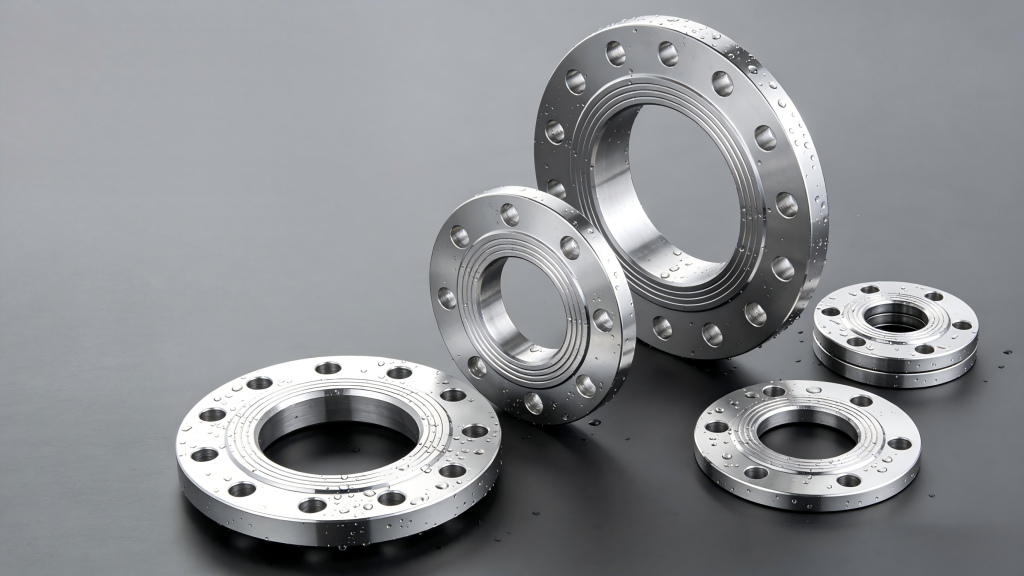
Pipeline flanges are essential components used to connect pipes, valves, pumps, and other equipment in industrial pipeline systems. They allow easy installation, inspection, cleaning, and maintenance. Choosing the correct flange type is critical for ensuring sealing performance, pressure resistance, and long-term reliability.
At Shaanxi Gold-Stone, we supply a wide range of pipeline flanges for oil & gas, petrochemical, power plant, LNG, and water treatment systems. This guide explains the most common types of pipeline flanges and how to select the right one for your project.
Website: www.gs-pipeline.com
1. Weld Neck Flange (WN)
Weld neck flanges are designed with a long tapered hub that gradually transfers stress from the flange to the pipe. They are ideal for high-pressure and high-temperature applications.
Features
- Excellent strength and durability
- Smooth bore reduces turbulence
- Suitable for severe service conditions
- Butt weld connection
Applications
- Oil & gas pipelines
- High-pressure steam systems
- Chemical plants
- Power generation pipelines
Weld neck flanges are widely used when reliability and safety are critical.
2. Slip-On Flange (SO)
Slip-on flanges are mounted by sliding the pipe into the flange bore and then welding both inside and outside. They are easier to align during installation.
Features
- Easy installation
- Lower cost than weld neck flange
- Suitable for low to medium pressure
- Double fillet welding
Applications
- Water pipelines
- Low-pressure oil lines
- Cooling systems
- General industrial piping
Slip-on flanges are commonly used where pressure requirements are moderate and budget is important.
3. Blind Flange (BL)
Blind flanges are solid flanges used to close the end of pipelines, valves, or pressure vessel openings.
Features
- No bore (solid design)
- Withstands high pressure
- Easy pipeline shutdown
- Ideal for maintenance
Applications
- Pipeline end closures
- Pressure vessel covers
- Testing systems
- Future pipeline expansion points
Blind flanges allow easy inspection and system isolation.
4. Socket Weld Flange (SW)
Socket weld flanges are designed for small diameter high-pressure pipelines. The pipe is inserted into the socket and welded around the outside.
Features
- Good for small-size pipes
- High strength connection
- Smooth internal flow
- Minimal leakage risk
Applications
- High-pressure small pipelines
- Hydraulic systems
- Steam lines
- Chemical processing
Socket weld flanges are commonly used in compact high-pressure systems.
5. Threaded Flange (TH)
Threaded flanges are connected to pipes using threads, without welding. They are suitable where welding is not allowed.
Features
- No welding required
- Easy installation
- Suitable for low pressure
- Convenient maintenance
Applications
- Gas pipelines
- Fire protection systems
- Utility piping
- Hazardous areas
Threaded flanges are often used in explosive environments.
6. Lap Joint Flange (LJ)
Lap joint flanges are used together with stub ends. The flange rotates around the pipe, allowing easy alignment.
Features
- Rotating flange design
- Easy bolt alignment
- Cost-effective for large sizes
- Reusable flange
Applications
- Low-pressure systems
- Stainless steel pipelines
- Corrosion-resistant systems
- Frequent maintenance lines
Lap joint flanges reduce installation time and cost.
Flange Standards
Pipeline flanges are manufactured according to international standards, including:
- ASME B16.5
- ASME B16.47
- EN 1092-1
- DIN standards
- API standards
Shaanxi Gold-Stone supplies flanges fully compliant with these standards to meet global project requirements.
Materials of Pipeline Flanges
Common flange materials include:
Carbon Steel
Stainless Steel
Alloy Steel
Duplex Stainless Steel
Low Temperature Steel
Material selection depends on pressure, temperature, and media.
How to Choose the Right Pipeline Flange
When selecting a flange, consider:
Pressure rating
Temperature range
Pipe size
Media type
Installation environment
Maintenance requirements
Choosing the correct flange ensures safe and efficient pipeline operation.
Why Choose Shaanxi Gold-Stone
Shaanxi Gold-Stone is a professional supplier of pipeline materials including:
Steel Pipe
Pipe Fittings
Flanges
Valves
Rubber Seals
We provide:
Full standard compliance
Custom size availability
Fast delivery
Project package supply
Competitive pricing
Our flanges are widely used in oil & gas, LNG, petrochemical, and industrial pipeline systems worldwide.
Conclusion
Pipeline flanges play a vital role in pipeline systems. Understanding the different types — weld neck, slip-on, blind, socket weld, threaded, and lap joint — helps engineers choose the right solution for performance and safety.
Shaanxi Gold-Stone provides a complete range of pipeline flanges designed for industrial applications. For technical support or quotation, visit: